
Meta Description:
Curious about what Polkadot is? This easy guide explains how it works, its key features, benefits, and why it matters in the crypto world today.
Introduction
If you’ve been exploring the world of cryptocurrency, you’ve probably heard the name Polkadot come up more than once. But what exactly is it, and why do people keep talking about it? Simply put, Polkadot is a blockchain network that allows different blockchains to connect and share information with each other. It was created to solve one of crypto’s biggest problems — blockchains not being able to talk to each other. In this guide, we’ll break it all down in plain language, so whether you’re a beginner or just curious, you’ll walk away with a clear picture.
How Polkadot Actually Works
Polkadot was founded by Dr. Gavin Wood, who was also one of the co-founders of Ethereum. It launched its mainnet in 2020 and has grown steadily since then.
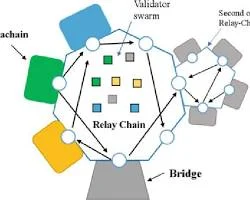
At its core, Polkadot uses a main chain called the Relay Chain. This is the heart of the network. It handles security and keeps everything in sync. Then there are smaller chains called Parachains, which connect to the Relay Chain and run their own rules and functions.
Think of it like a train system. The Relay Chain is the main track, and Parachains are the individual trains running on it. Each train can carry different types of cargo — in this case, different types of data or transactions — while still following the same overall system.
This structure lets developers build their own custom blockchains that can still communicate with each other. That’s a big deal in the blockchain world.
Polkadot Compared to Other Major Blockchains
It helps to see how Polkadot stacks up against some other well-known blockchains. Here’s a simple comparison:
| Feature | Option / Type | Description |
| Main Chain | Relay Chain | Central chain that connects all other chains in the network |
| Sub-Chains | Parachains | Custom blockchains that plug into the Relay Chain |
| Consensus Method | Nominated Proof of Stake (NPoS) | Validators are chosen based on DOT token nominations |
| Native Token | DOT | Used for staking, governance, and bonding parachains |
| Interoperability | Cross-Chain Messaging (XCM) | Allows different chains to send messages and transfer assets |
This table gives you a quick look at how the network is structured. Each piece plays a specific role, and together, they make the system work.
Practical Tips for Getting Started With DOT
If you’re thinking about learning more or even buying DOT (Polkadot’s native token), here are a few simple steps to get you going.
Start with research. Before putting any money in, understand what you’re getting into. Read the official Polkadot website and look at its whitepaper if you’re up for it.
Use a trusted exchange. DOT is available on major platforms like Coinbase, Binance, and Kraken. Stick to well-known exchanges with good security records.
Set up a secure wallet. Don’t leave your tokens on an exchange for too long. A hardware wallet or a trusted software wallet offers better protection.
Start small. You don’t need to invest a large amount to learn. Starting with a small position helps you understand how things work without too much risk.
Benefits of Using the Polkadot Network
There are some genuine reasons why developers and crypto enthusiasts find this network appealing.
Interoperability is probably the biggest one. Most blockchains are like islands — they can’t easily communicate. Polkadot bridges those islands together, which opens up a lot of possibilities for decentralized apps.
Scalability is another strong point. Because multiple parachains run in parallel, the network can handle more transactions at once compared to older single-chain systems.
Shared security is also worth mentioning. Parachains benefit from the security of the main Relay Chain, so smaller projects don’t have to build their own security from scratch.
Common Mistakes to Avoid
Even experienced crypto users make mistakes when dealing with new networks. Here are a few to watch out for.
Sending tokens to the wrong address. Polkadot uses its own address format. Sending DOT to an Ethereum address, for example, can result in permanent loss of funds.
Ignoring staking rules. When you stake DOT, there’s an unbonding period. This means you can’t access your tokens right away when you want to unstake. Make sure you understand this before committing.
Overlooking governance. DOT holders can vote on network upgrades and decisions. Many people ignore this feature, but it’s actually one of the most interesting parts of the ecosystem.
Expert Tips for Getting the Most Out of Polkadot
A few things that people deep in the ecosystem tend to recommend:
Follow the parachain auctions. New projects compete for parachain slots regularly. These can be good opportunities to discover promising new projects early.
Join the community. Polkadot has active communities on Reddit, Discord, and its official forum. Staying connected helps you stay informed about updates and changes.
Keep up with ecosystem news. Projects built on Polkadot — like Acala, Moonbeam, and Astar — are worth following too. Their progress affects the overall health of the network.
FAQs About Polkadot
Q1: Is Polkadot the same as Ethereum?
No. While both are blockchain platforms, Polkadot focuses specifically on connecting multiple blockchains together, whereas Ethereum is a single chain focused on smart contracts.
Q2: What is DOT used for?
DOT is the native token of the network. It’s used for staking, voting on governance decisions, and bonding parachains to the Relay Chain.
Q3: Is Polkadot a good investment?
Like all cryptocurrencies, it carries risk. It’s always best to do your own research and only invest what you can afford to lose.
Conclusion
So, now you have a clearer picture of what Polkadot is and why it matters. It’s not just another cryptocurrency — it’s a framework designed to make blockchains work together more efficiently. From its unique parachain structure to its shared security model, the network tackles real problems in the blockchain space. Whether you’re curious about the tech or considering adding DOT to your portfolio, understanding the basics is always the right first step. Take your time, keep learning, and make decisions based on solid information rather than hype.
SEO Keywords Used
- Polkadot blockchain
- DOT token
- parachain network
- blockchain interoperability
- crypto staking explained
