
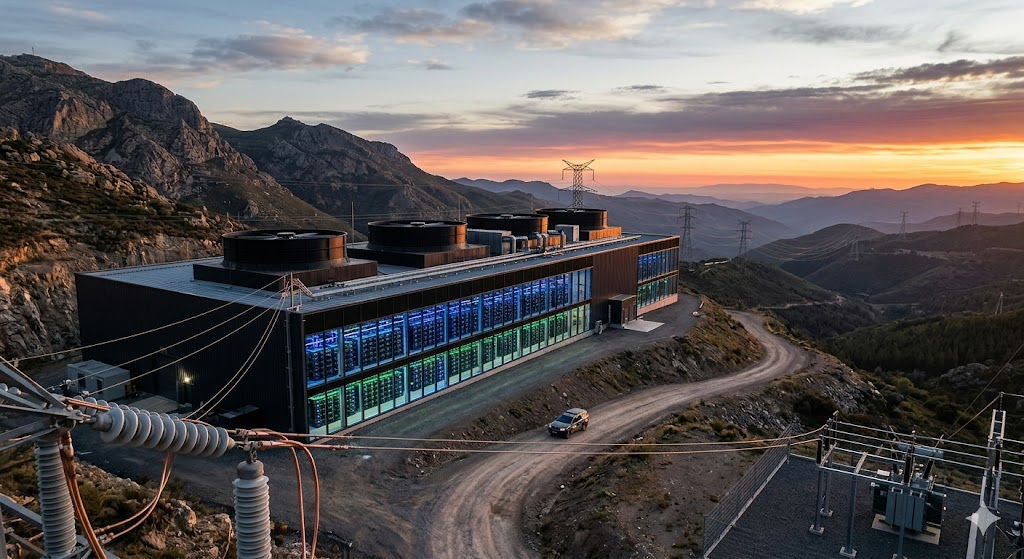
Meta Description: Learn how Bitcoin mining works step by step in simple terms. Discover the process, tools, costs, and tips to understand crypto mining easily.
Introduction
If you’ve ever wondered how new bitcoins are created, you’re not alone. Many people hear about mining but don’t fully understand what happens behind the scenes. This guide explains how Bitcoin mining works step by step in simple language, without technical confusion.
Bitcoin mining is the process that keeps the Bitcoin network running. It confirms transactions and adds them to a public ledger called the blockchain. In return, miners earn rewards. Let’s break it down into clear, easy steps so you can understand how it all fits together.
What Is Bitcoin Mining and Why Is It Important?
Bitcoin mining is a digital process that verifies and records transactions. Unlike traditional money, Bitcoin has no central bank. Instead, miners use powerful computers to maintain the system.
Every time someone sends Bitcoin, the transaction must be verified. Miners group these transactions into blocks. They then solve complex math puzzles to confirm the block. Once verified, the block is added to the blockchain.
This system prevents fraud and double spending. It also releases new bitcoins into circulation. Without miners, the network would not function securely.
How Bitcoin Mining Works Step by Step Explained
Understanding how Bitcoin mining works step by step becomes easier when you see the process clearly:
- Transaction Broadcast
When someone sends Bitcoin, the transaction is shared across the network. - Transaction Verification
Miners check if the transaction is valid. They ensure the sender has enough balance. - Block Creation
Verified transactions are grouped into a block. - Solving the Puzzle
Miners compete to solve a complex cryptographic puzzle. This requires high computing power. - Block Added to Blockchain
The first miner to solve the puzzle adds the block to the blockchain. - Reward Given
The successful miner receives newly created bitcoins and transaction fees.
This process repeats roughly every 10 minutes.
Types of Bitcoin Mining
Different methods are used depending on equipment and setup. Here’s a simple comparison:
| Feature | Option / Type | Description |
|---|---|---|
| Hardware Type | CPU Mining | Uses regular computer processor; slow and outdated |
| Hardware Type | GPU Mining | Uses graphics cards; faster than CPUs |
| Hardware Type | ASIC Mining | Specialized machines built for mining; very powerful |
| Mining Setup | Solo Mining | Individual miner works alone |
| Mining Setup | Mining Pool | Group of miners share power and rewards |
Most serious miners today use ASIC machines because they are faster and more efficient.
Equipment Needed to Start Mining
If you’re thinking about mining, you need specific tools. Regular laptops are not strong enough for profitable mining anymore.
First, you need ASIC hardware. These machines are built only for mining Bitcoin. They are powerful but can be expensive.
Second, you need mining software. This connects your machine to the Bitcoin network.
Third, you need a digital wallet. This is where your mining rewards are stored.
Finally, stable internet and low-cost electricity are very important. Electricity is the biggest ongoing cost in mining.
Benefits of Bitcoin Mining
Bitcoin mining offers several advantages, especially for those who understand the risks.
One major benefit is earning Bitcoin as a reward. If the price rises over time, the mined coins may increase in value.
Mining also supports network security. By participating, miners help keep Bitcoin decentralized and secure.
Another advantage is transparency. All transactions are recorded on the blockchain, which anyone can verify.
For some, mining is also a way to participate directly in the crypto ecosystem instead of just buying coins.
Common Mistakes to Avoid
Many beginners jump into mining without proper research. This can lead to losses.
One common mistake is underestimating electricity costs. Mining machines run 24/7 and consume a lot of power.
Another mistake is buying outdated hardware. Older machines may not compete with modern ASIC miners.
Some people also forget about cooling systems. Mining equipment generates heat, and poor ventilation can damage machines.
Lastly, avoid unrealistic profit expectations. Mining rewards change over time due to competition and Bitcoin halving events.
Expert Tips for Better Mining Results
If you want better results, focus on efficiency rather than just power.
Join a reputable mining pool. This gives you smaller but more consistent rewards.
Monitor electricity rates carefully. Mining is more profitable in areas with lower energy costs.
Keep your hardware updated and clean. Dust and heat reduce performance.
Stay informed about Bitcoin network difficulty. As more miners join, puzzles become harder to solve.
Most importantly, treat mining like a long-term project rather than a quick way to make money.
FAQs About Bitcoin Mining
1. Is Bitcoin mining still profitable?
It depends on electricity costs, hardware efficiency, and Bitcoin’s price. In some regions, it can still be profitable.
2. Can I mine Bitcoin on my laptop?
Technically yes, but it is not practical. Modern mining requires specialized ASIC hardware.
3. How long does it take to mine one Bitcoin?
It depends on your equipment and mining setup. Solo miners may never mine a full Bitcoin alone, while pools share smaller rewards regularly.
Conclusion
Now you have a clear understanding of how Bitcoin mining works step by step. It is a process where powerful computers verify transactions, solve mathematical puzzles, and add blocks to the blockchain. In return, miners earn rewards.
While mining can be rewarding, it requires investment, research, and careful planning. Equipment costs, electricity prices, and network difficulty all affect profitability. If you’re interested, start small, learn continuously, and focus on efficiency. Bitcoin mining is not magic—it’s a technical process that keeps the world’s largest cryptocurrency secure and running smoothly.
SEO Keywords Used:
Bitcoin mining process
crypto mining explained
ASIC mining hardware
blockchain verification
mining rewards
