
Meta Description:
Learn how to create a secure crypto wallet the right way. This guide covers types, tips, and mistakes to avoid for keeping your digital assets safe.
Introduction
If you own or plan to buy cryptocurrency, one thing you absolutely need is a safe place to store it. That’s where a crypto wallet comes in. Knowing how to create a secure crypto wallet is not just a technical skill — it’s a basic necessity for anyone dealing with digital money. A small mistake in setup can put your funds at serious risk. This guide walks you through everything you need to know, from choosing the right wallet type to protecting your private keys. Whether you’re a beginner or just brushing up, this guide has you covered.
What Is a Crypto Wallet and How Does It Work?
A crypto wallet doesn’t actually store your coins. Instead, it stores your private keys — the codes that prove you own the cryptocurrency on the blockchain. Think of it like a keychain. The coins stay on the blockchain, but your wallet holds the key to access them.
There are two main types: hot wallets and cold wallets. Hot wallets are connected to the internet, making them easy to use but slightly more vulnerable. Cold wallets are offline, which makes them more secure but a little less convenient for daily use.
Understanding this basic concept helps you make smarter choices when setting up your wallet.
Types of Crypto Wallets: An Overview
Before you set anything up, it’s good to know your options. Each wallet type has its own strengths and trade-offs. Picking the right one depends on how often you trade, how much crypto you hold, and how comfortable you are with technology.
Here’s a quick comparison of the most common wallet types:
| Feature | Option / Type | Description |
|---|---|---|
| Connectivity | Hot Wallet | Always online; easy access but higher security risk |
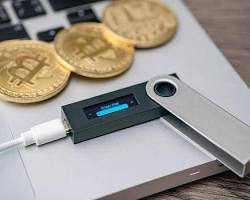
| Storage Method | Cold Wallet (Hardware) | Offline device like Ledger or Trezor; very secure |
| Accessibility | Software Wallet | App on phone or desktop; good for beginners |
| Paper-Based | Paper Wallet | Private key printed on paper; secure if stored safely |
| Custodial vs. Non | Exchange Wallet | Managed by an exchange; easy but you don’t own the keys |
Each option has a place depending on your needs. New users often start with a software wallet, then move to a hardware wallet as their holdings grow.
Practical Tips to Help You Create a Secure Crypto Wallet
Setting up your wallet properly from the start makes a big difference. Here are some steps to follow:
Choose a reputable wallet. Look for wallets that are open-source and widely reviewed. MetaMask, Trust Wallet, and Ledger are popular choices for good reason.
Write down your seed phrase. When you create a wallet, you’ll get a 12 or 24-word recovery phrase. Write it on paper — not on your phone or computer. Store it somewhere safe, like a fireproof box.
Use a strong, unique password. Don’t reuse passwords from other accounts. Use a mix of letters, numbers, and symbols.
Enable two-factor authentication (2FA). If your wallet or exchange supports 2FA, turn it on. It adds a second layer of protection.
Keep your software updated. Outdated apps can have security holes. Update your wallet app regularly to get the latest protection.
Benefits of Setting Up Your Own Secure Wallet
Having your own wallet gives you full control over your digital assets. You’re not relying on a third party to keep your funds safe. If an exchange gets hacked or shuts down, your coins stay with you.
It also gives you privacy. You don’t need to share personal information to set up a non-custodial wallet. Plus, you can access decentralized apps (dApps) and DeFi platforms more easily when you manage your own wallet.
Simply put, owning your keys means owning your crypto. That’s a level of financial freedom that a bank account doesn’t offer.
Common Mistakes to Avoid When Setting Up a Wallet
Even careful people make mistakes. Here are some to watch out for:
Storing your seed phrase digitally. Taking a screenshot or saving your phrase in a notes app is risky. If your device gets hacked, it’s gone.
Using public Wi-Fi. Never access or set up your wallet on a public network. Always use a private, secure connection.
Ignoring updates. Skipping software updates is one of the easiest ways to leave a security gap open.
Choosing unknown wallets. Always research a wallet before trusting it with your funds. Fake wallets exist and are designed to steal your private keys.
Expert Tips for Long-Term Wallet Security
Security doesn’t stop after setup. Here are a few habits worth building:
- Test your recovery phrase before you need it. Make sure you can restore your wallet using the seed phrase, so you know it’s correct.
- Split your holdings. Keep small amounts in a hot wallet for daily use, and store larger amounts in a cold wallet.
- Use a dedicated device. If you can, keep a separate device just for managing crypto. Don’t use it for general browsing or social media.
- Never share your private key. Not with customer support, not with friends — no one legitimate will ever ask for it.
FAQs
Q1: Can I have more than one crypto wallet?
Yes, you can. Many people use multiple wallets for different purposes — one for trading and one for long-term storage.
Q2: What happens if I lose my seed phrase?
Unfortunately, if you lose your seed phrase and forget your password, you can permanently lose access to your funds. Always keep a backup.
Q3: Is a hardware wallet worth buying?
If you hold a significant amount of crypto, yes. Hardware wallets offer strong offline security and are well worth the investment.
Conclusion
Learning how to create a secure crypto wallet is one of the most important steps you can take as a crypto user. It’s not complicated, but it does require attention to detail. Choose the right wallet type, protect your seed phrase, and stay updated on security best practices. Small habits — like using strong passwords and avoiding public Wi-Fi — go a long way. The goal is to have full control over your assets without putting them at risk. Take your time, do your research, and set things up properly from day one.
SEO Keywords Used:
- How to create a secure crypto wallet
- Best crypto wallet for beginners
- Hardware wallet security
- Protect private keys
- Hot wallet vs cold wallet
